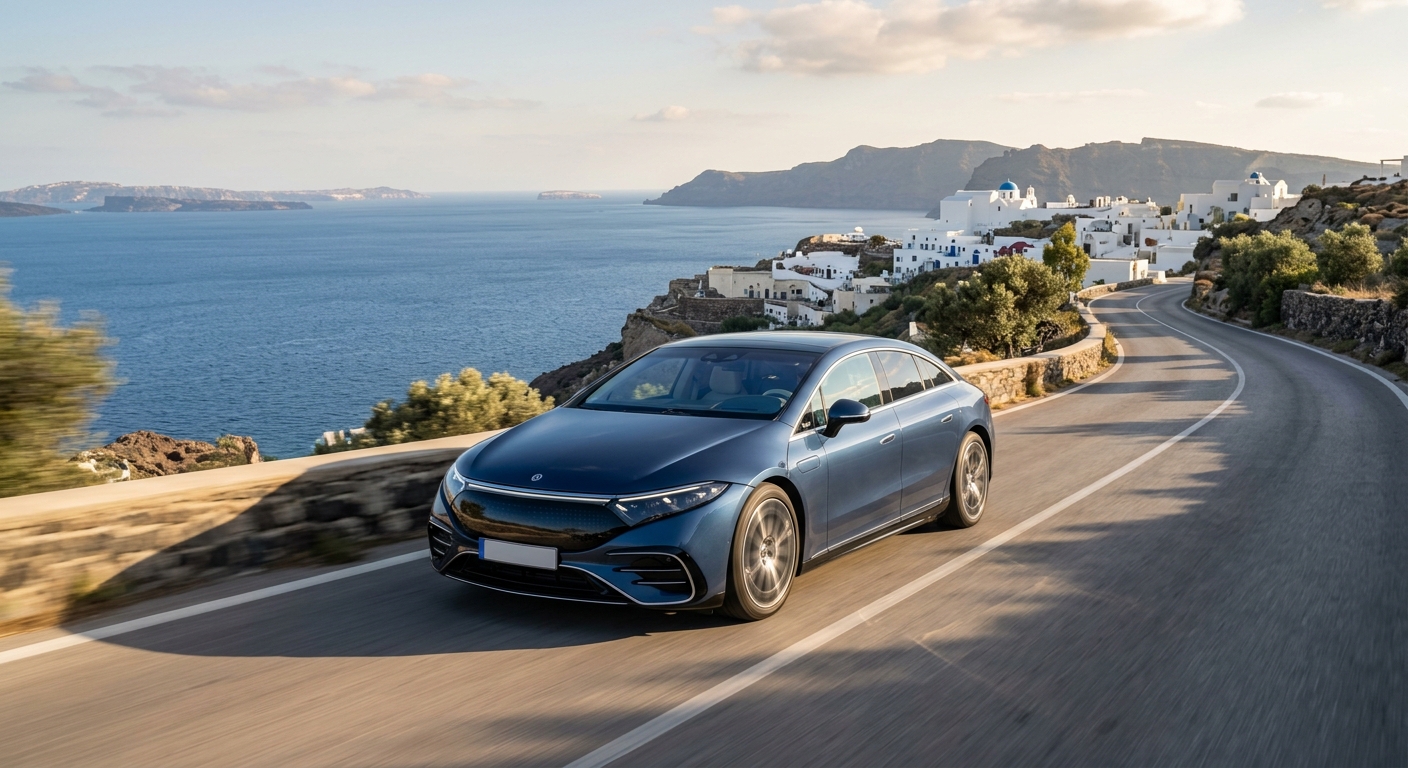
Greece is embarking on the next vital phase of its electric vehicle transition. The highly anticipated continuation of the state’s flagship EV incentive program, officially named Κινούμαι Ηλεκτρικά 3 (Kinoumai Ilektrika 3), is currently planned for a post-March 2026 rollout. As European emissions targets tighten, this program represents a critical lever in modernizing the domestic transportation sector.
Backed entirely by a €57 million allocation from the national budget, the program operates under the auspices of the Ministry of Infrastructure and Transport. The initiative relies on 100% domestic funding and aims to rapidly replace Greece’s aging vehicle fleet. By providing direct, point-of-sale or post-purchase liquid capital to citizens, the ministry intends to fully exhaust the available €57 million envelope to stimulate immediate market uptake.
The core appeal of the Kinoumai Ilektrika framework has historically been its substantial financial support, offering an exceptionally generous maximum grant of up to €9,000 for private buyers. This high-ceiling approach has positioned Greece among the most aggressive European markets for individual EV subsidies.
However, prospective buyers aiming to calculate their exact out-of-pocket costs and stack this maximum grant with additional incentives—such as scrappage bonuses for older internal combustion engine vehicles—will need to exercise patience. At present, official guidelines regarding specific income thresholds, household eligibility rules, qualifying vehicle constraints, and precise distribution mechanics are completely unavailable. Furthermore, the mandatory Know Your Customer (KYC) documentation required to process these applications remains unpublished. For analysts and consumers utilizing tools like CivilAuto to forecast auto financing, this data gap means that final stacking calculations and eligibility confirmations must be paused until the Ministry releases its comprehensive rulebook.
While immediate regulatory details are pending, the broader strategic trajectory of Greece's EV subsidy framework is coming into sharp focus. The current €9,000 maximum grant, while highly attractive to consumers, risks becoming fiscally unsustainable in the long term. The impending integration of the European Union’s Social Climate Fund (SCF) is expected to fundamentally recalibrate Kinoumai Ilektrika.
Rather than maintaining universal, high-ceiling grants available to all private buyers regardless of wealth, the SCF integration will pivot the national policy toward rigorous means-testing. This structural evolution is designed to exclusively protect the lowest-income deciles from the approaching ETS2 carbon pricing mechanism, which will soon apply to road transport fuels across the bloc.
To achieve this, the Greek government is exploring the establishment of a state-backed social leasing scheme. Such an initiative would lower the substantial barrier to entry for working-class citizens, shifting the state's role from subsidizing premium vehicle purchases to facilitating affordable, long-term electric mobility access for those most vulnerable to energy poverty.
For now, the €57 million allocated to Kinoumai Ilektrika 3 represents a crucial, albeit transitional, window for the Greek automotive market. As Greece prepares to navigate the shift from broad, universal subsidies to targeted, socially integrated mobility support, buyers should prepare for a drastically different incentive landscape in the years ahead.